
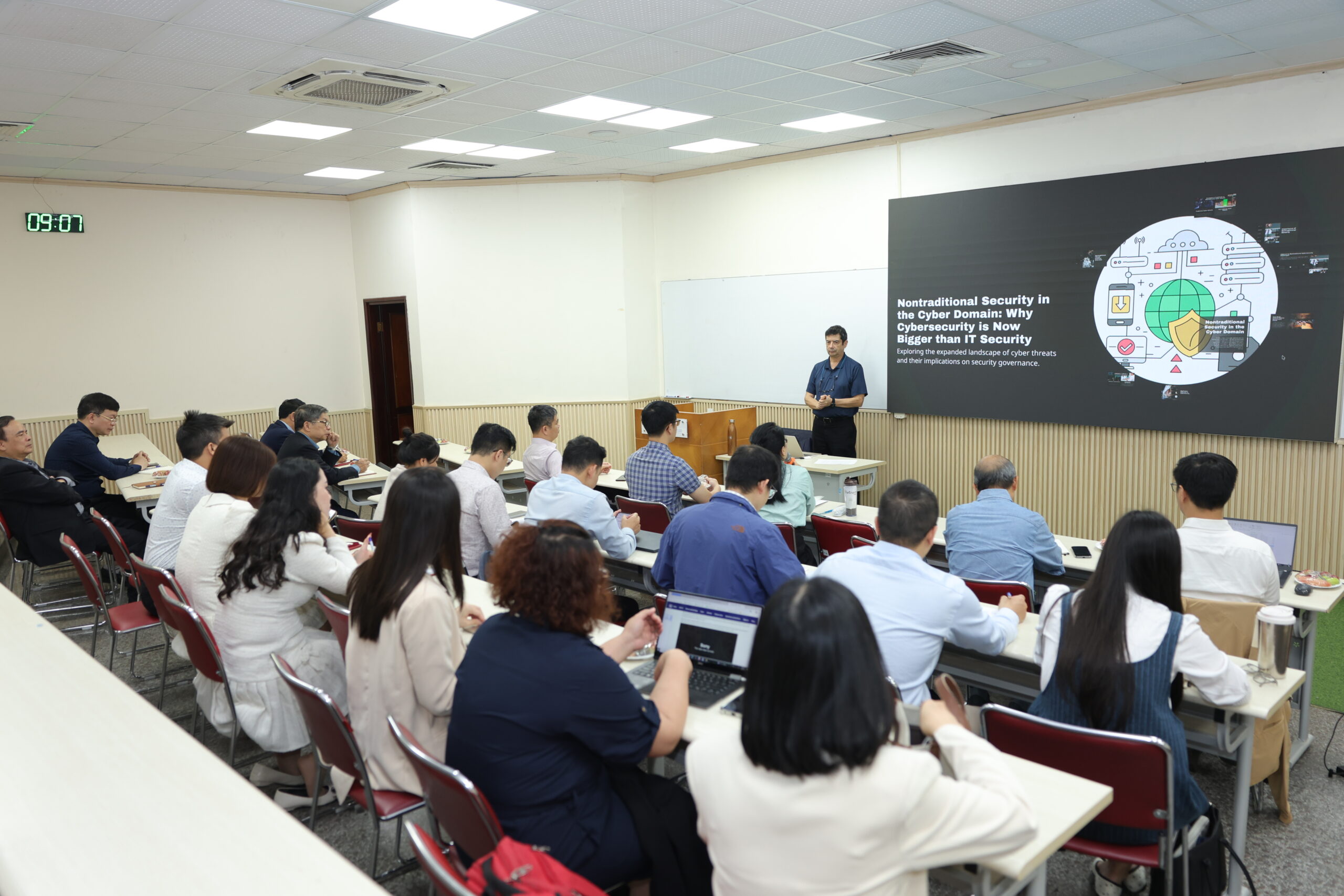
In the context of rapid global digital transformation, cybersecurity has emerged as one of the most critical challenges in non-traditional security. Recognizing this trend, Hanoi School of Business and Management (HSB) – Vietnam National University, identifies cybersecurity as a key focus area in both research and teaching. In parallel, HSB actively promotes international collaboration and industry engagement to enhance the quality of its education and research.
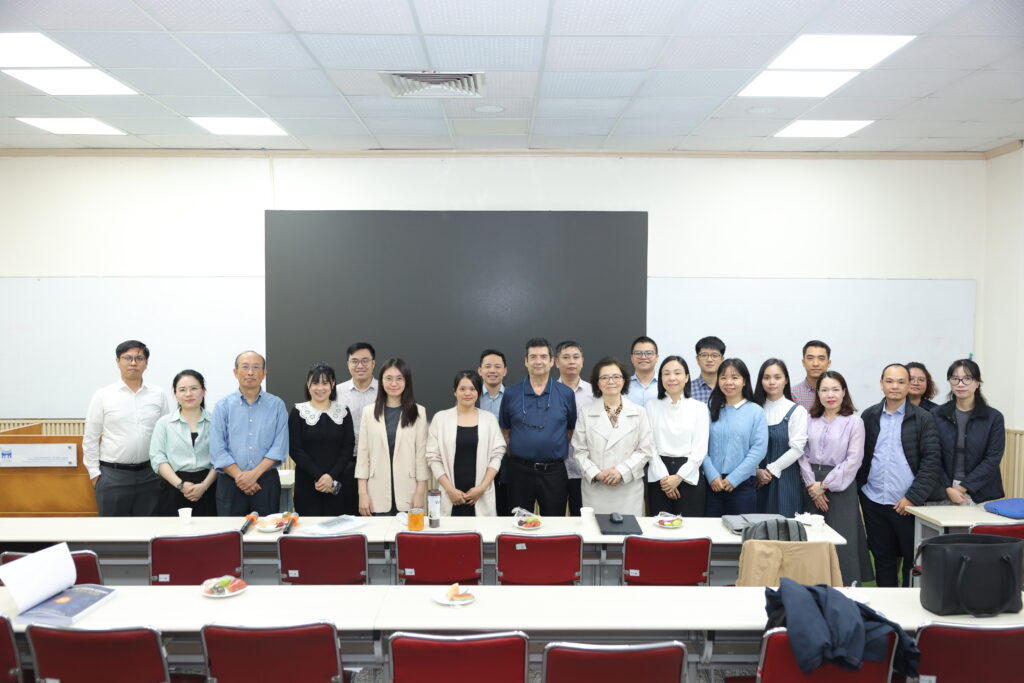
In March 2026, HSB organized a series of academic activities with the participation of Assoc. Prof. Dr. C. Augusto Casas, Senior Lecturer in Cybersecurity at the University of Maryland, Baltimore County (USA), and a Fulbright Specialist (2023). Notably, Assoc. Prof. Dr. Casas has officially established a collaboration with HSB and will accompany the School in teaching and academic research activities in the coming period.
Assoc. Prof. Dr. Casas engaged in academic discussions with HSB faculty members on the topic of “Cybersecurity Governance”, focusing on emerging cybersecurity trends in the context of non-traditional security. According to him, cyber threats extend beyond technical issues, encompassing trust, supply chains, cyber-physical systems, and interdependencies within organizations. Emerging risks such as AI-driven fraud, supply chain attacks, digital identity threats, and vulnerabilities stemming from IoT devices are making the digital environment increasingly complex.

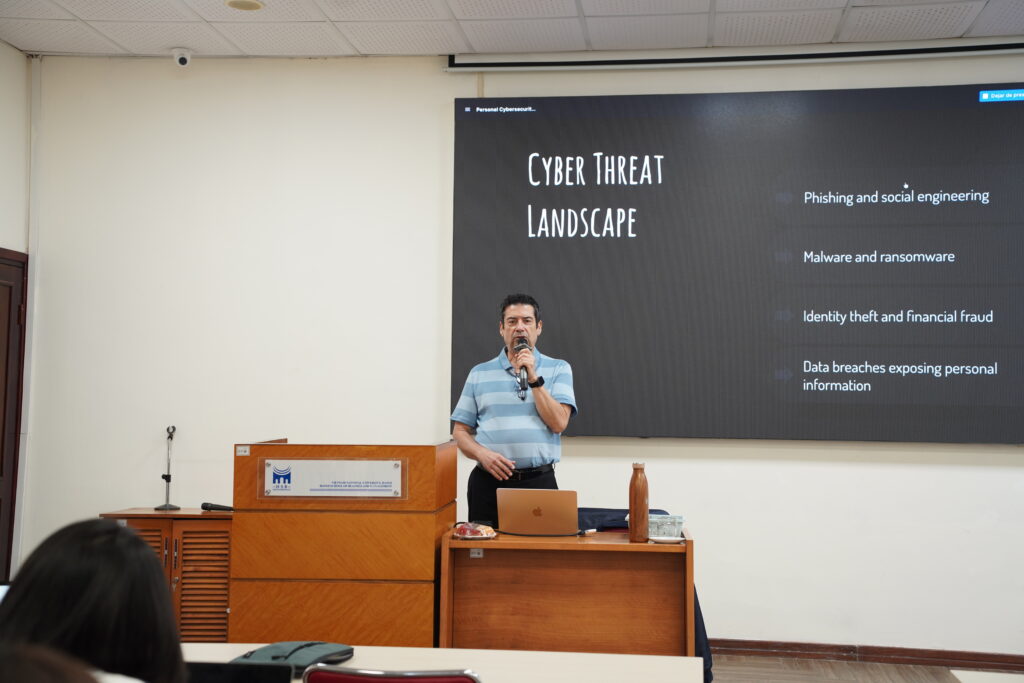
Alongside research activities, HSB places strong emphasis on delivering practical training programs and workshops for diverse groups of learners. For undergraduate students, the workshop “Personal Cybersecurity – Protecting Your Digital Life” provided essential knowledge on risk identification, personal data protection, and ensuring information security in the digital environment.

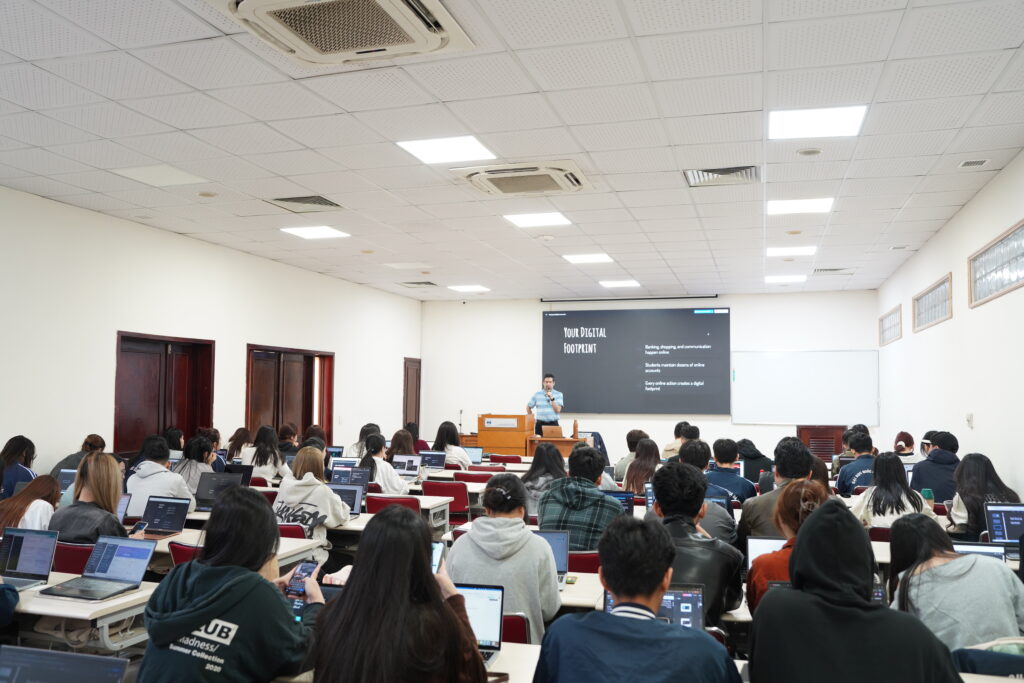
At the postgraduate level, HSB organized the workshop “Enterprise Cybersecurity Management,” targeting graduate students and future managers. In this session, Assoc. Prof. Dr. Augusto Casas shared both academic perspectives and practical experience in managing cybersecurity within organizations. He highlighted key security challenges in the context of digital transformation and emphasized important principles to strengthen governance capacity and protect enterprise information systems. The workshop contributed to developing participants’ strategic thinking and decision-making capabilities in organizational cybersecurity management.
Cybersecurity-related content has been systematically integrated into HSB’s academic programs through courses such as cybersecurity governance, system security, cybersecurity law and policy, and cryptography. These components enable learners to build interdisciplinary knowledge foundations and enhance their practical application capabilities.

In addition to international academic collaboration, HSB continues to strengthen partnerships with industry to enhance students’ practical competencies. In March 2026, the School held a working session with representatives of Bugasura, a technology company from India specializing in software testing and cybersecurity automation. The two sides discussed potential collaboration in deploying AI-integrated platforms for software project management (DevOps) and testing, opening opportunities for students to access advanced technological tools and better prepare for participation in the global technology market.

The diverse range of academic activities, including research exchange, student training, and postgraduate capacity development, demonstrates HSB’s clear strategic direction in advancing interdisciplinary fields, particularly non-traditional security and cybersecurity. This effort not only enhances the quality of education but also reinforces HSB’s role in developing high-quality human resources to meet the demands of the digital era.