EDI Commitment
HSB is committed to advancing Equality, Diversity, and Inclusion (EDI) as a core foundation of its mission to educate the next generation into ethical, innovative, and competent leaders for both the public and private sectors.
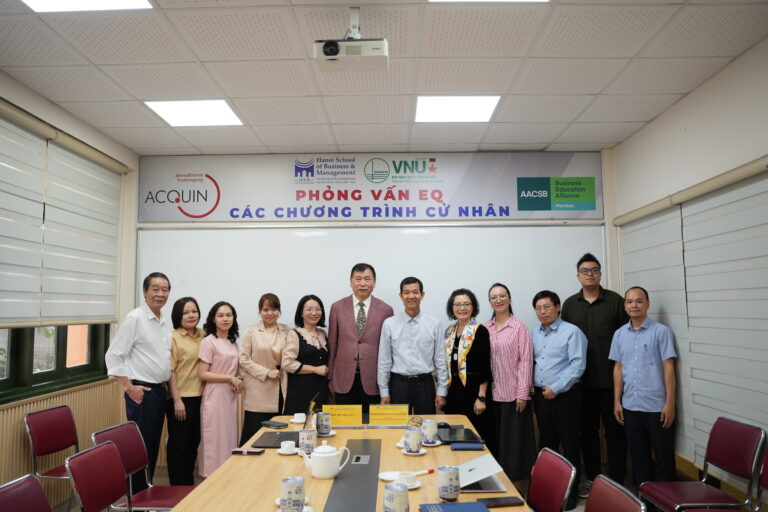
HSB commits to continuous improvement in Equality, Diversity, and Inclusion (EDI) through regular stakeholder consultation, benchmarking against leading global business schools, and alignment with international best practices, including the United Nations Sustainable Development Goals (SDGs), particularly SDG 4 (Quality Education), SDG 5 (Gender Equality), and SDG 10 (Reduced Inequalities).
Definition
Equity focuses on ensuring fairness, giving everyone an equal starting point. This can involve taking proactive steps to help achieve more equal outcomes.
Diversity goes beyond simply recognizing or accepting differences; it means actively understanding, appreciating, and embracing those differences, while showing respect for qualities and experiences that aren’t part of the majority.
Inclusion is about fostering a sense of belonging, where people feel respected, valued, and supported so they can reach their full potential at work or in their studies.
EDI practices
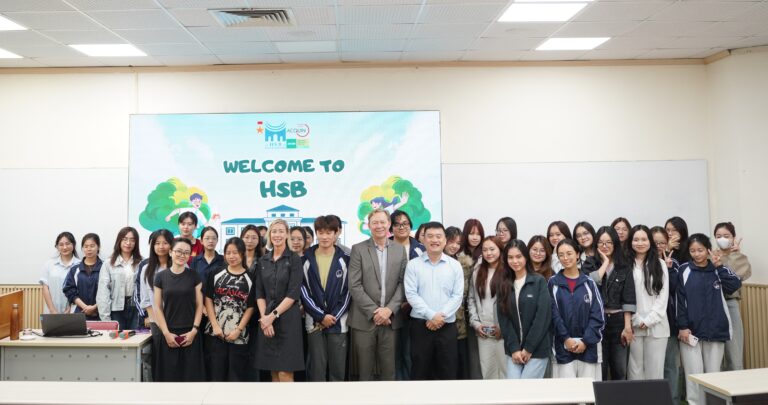
During the period 2019–2024, HSB has made sustained efforts to promote gender balance and inclusive participation across its student body, workforce, and leadership. The total undergraduate student population reached 1,920, of which 1,178 (61.4%) are female and 742 (38.6%) are male, demonstrating strong female participation in higher education.
HSB employed 137 staff members, with a balanced gender distribution (69 male and 68 female). Diversity is also evident across leadership and management levels, with 24 management staff, including members of the Board of Management, Deans and Vice Deans, Heads and Deputy Heads of Departments, Program Directors, and Institute Leaders. Among these, 9 are female and 15 are male, reflecting ongoing efforts to strengthen gender representation in academic and administrative leadership.
In support of social inclusion and equitable access to education, HSB launched a scholarship program for grandchildren of war veterans. In its first year of implementation (intake QH.2024), 25 students received scholarships. This number increased to 46 students in the second year (intake QH.2025), demonstrating HSB’s expanding commitment to inclusive education and social responsibility.
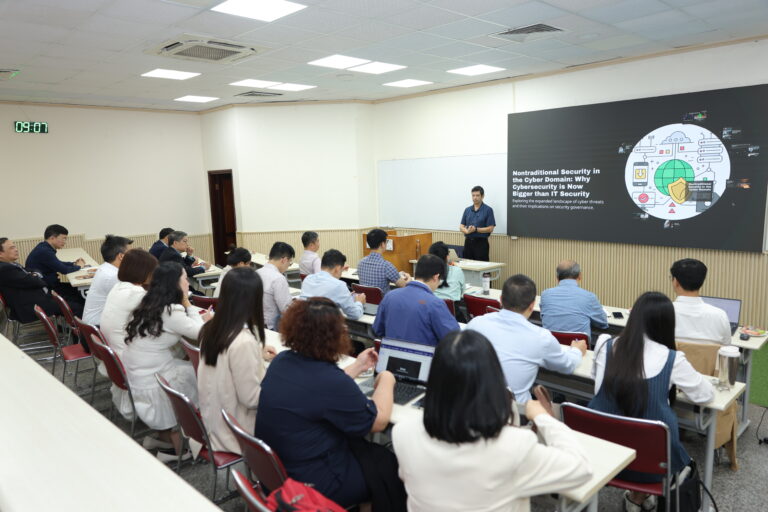
In terms of internationalization, HSB actively promotes cross-border academic exchange. In 2025, more than 20 international professors and experts visited the campus to deliver seminars and academic activities for faculty members and students. In the same year, HSB hosted over 100 international students from various Asian countries, whose study credits were formally recognized and transferred to their home institutions, further strengthening HSB’s regional and international engagement.
These outcomes demonstrate HSB’s long-term commitment to building an equitable, diverse, and inclusive academic community in line with global standards.
Our priorities in the 2025-2030 period
Staff Diversity and Gender Equality: HSB aims to recruit, retain, and promote a diverse workforce in terms of gender, nationality, ethnicity, and race. The School commits to:
- Achieving and sustaining 50% female representation in management and leadership positions.
- Maintaining gender balance across total staff, with women representing approximately 50% of all employees.
- Increasing the number of full-time foreign lecturers to 5% of total
Student Diversity and Inclusion: HSB is committed to building a diverse student body that reflects national and international communities. The School will:
- Increase student exchange participation to 10% of the total student population, enhancing international exposure and cross-cultural learning.
- Raise the proportion of students from ethnic minority groups to at least 3% of total enrolment.
- Award 40–50 scholarships annually to grandchildren of war veterans, supporting social inclusion and equal access to higher education.
- Provide 10 scholarships annually to international students, supporting global diversity and international engagement.
Responsibilities:
The Undergraduate Program Management Office and Postgraduate Program Management Office and HR Department are responsible for implementing this policy.
Monitoring
The Legal and Inspection team is responsible for monitoring Equality, Diversity & Inclusion practices at Hanoi School of Business and Management.
Approved in December 2025